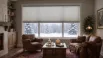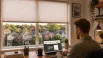

Choosing custom window treatments for a basement isn’t the same as selecting coverings for the rest of your home. Basements typically have smaller windows, limited natural light, higher humidity levels, and greater privacy needs. The right window treatment should do more than enhance the space’s appearance; it should improve comfort, provide privacy, control light, and withstand moisture.
In 2027, homeowners are making better use of their basements by turning them into bedrooms, home offices, rental suites, gyms, and entertainment areas. As these spaces become more functional, it’s more crucial than ever to choose the appropriate basement window treatments.
In this guide, we’ll explain how to choose the right basement window treatments in 2027, including key buying factors to consider, the best blinds and shades for different basement spaces, and expert tips to enhance privacy, comfort, and style.
Why Basement Windows Need Specialized Treatments
Basement windows require specialized window treatments because they differ from standard windows in both size and location.
They are typically smaller, narrower, and positioned closer to the ground, which creates unique challenges for privacy, natural light, and insulation. Heavy curtains or bulky drapes can overwhelm these windows, making the space feel darker and smaller.
The best basement window coverings are small, simple to maintain, and created to offer a good balance of privacy, light control, moisture resistance, and energy efficiency. Making the appropriate decision might make your basement seem more practical, cozy, and light.
Common Challenges with Basement Windows
These are some of the common challenges associated with basement windows:
- Smaller windows that often require custom fitting.
- Windows are typically low to the ground, allowing less natural light to enter the space.
- Sidewalks, driveways, or nearby homes can create privacy concerns.
- Excess moisture and humidity in unfinished or partially finished basements.
- Heat loss through glass during winter.
These challenges make it important to choose materials and styles that work with the space rather than against it.
Key Factors to Consider Before Choosing Basement Window Treatments in 2027
There are several important factors to consider before selecting a basement window treatment.
When choosing blinds for basement windows, think about how the room will be used. A basement bedroom should provide privacy and darkness. A home office requires glare control, while a living room benefits from soft, natural light and a cohesive design.
Pay attention to the following factors:
- Light control: Choose light-filtering, blackout, or adjustable options.
- Privacy: Ground-level windows may require full or partial privacy.
- Insulation: Cellular shades can help minimize heat loss.
- Humidity resistance: Avoid materials that warp, retain moisture, or develop mildew.
- Maintenance: Choose finishes that are easy to wipe clean.
The U.S. Department of Energy states that tightly installed cellular shades can reduce heat loss through windows by 40% or more during the heating season.
Types of Basement Window Coverings to Consider in 2027
Cellular Shades
Cellular shades are among the most effective window coverings for basement windows, providing great insulation and comfort throughout the year. The distinctive honeycomb structure captures air within the cells, assisting in temperature control indoors and making them particularly useful in naturally cooler basement areas.
If you’re looking to improve energy efficiency, reduce outside noise, and create a more comfortable environment, cellular shades are an excellent choice.
Roller Shades
Roller shades are simple, modern, and suitable for small windows. They don’t take up much space and come in light-filtering and blackout materials. They fit well on small basement windows without covering the window frame.
Faux Wood Blinds
Faux wood blinds can be effortlessly wiped clean, resist moisture absorption, and are very resilient.
Unlike real wood, they are less likely to warp in humid conditions. Additionally, they provide versatility in managing light, featuring slats that can be adjusted to open or close.
Zebra Shades
Zebra shades offer sheer and solid band options, providing adjustable privacy and light control. For those who prefer something that looks more decorative than standard shades, zebra shades can be a great option.
Treatment Options Based on Basement Room Type
Basement Living Rooms
Choose light-filtering window shades or stylish basement window coverings that brighten the space without making it feel too dark. Zebra shades or cellular shades are both excellent options.
Basement Bedrooms
Consider blackout roller shades or blackout cellular shades. They boost the quality of your sleep, increase privacy, and create a relaxing bedroom atmosphere.
Basement Home Offices
Glare control is the top priority in a home office. Roller shades, faux wood blinds, and zebra shades let you adjust light levels while maintaining a comfortable and professional workspace.
Basement Rental Suites
Rental properties gain from reliable and easy-to-maintain window coverings. Faux wood blinds and roller shades are practical choices because they are easy to clean and built to last.
Common Mistakes to Avoid
Ignoring Moisture Levels
Avoid using real wood or thick fabric in damp basement areas. Excess moisture can cause warping, mildew, and unpleasant odors.
Blocking Too Much Light
Basements naturally receive less light. Avoid window treatments that make the space feel even darker unless it’s a bedroom or home theater.
Prioritizing Style Over Function
A stylish window treatment isn’t the best choice if it doesn’t provide privacy, control light, or withstand moisture.
Choosing Hard-to-Maintain Materials
Basement window treatments should be practical and easy to maintain. Durable, easy-to-clean, and custom-fitted options are generally the best choice.
What Makes Homeowners Trust Blinds Design Inc.?
Homeowners trust Blinds Design Inc. for customized window treatment solutions designed to fit every basement layout. With a wide selection of blinds and shades, the company offers options to suit every style, functional need, and budget.
Our team provides expert measurement and installation services to ensure a precise fit, and our expertise helps homeowners find the ideal balance of privacy, comfort, energy efficiency, and visual appeal.
Wrap Up
Choosing the right basement window treatments in 2027 means finding the perfect balance between functionality and style. By considering factors such as light control, privacy, moisture resistance, insulation, and ease of maintenance, you can create a basement that feels brighter, more comfortable, and better suited to its purpose.
Whether you’re furnishing a basement bedroom, home office, living area, or rental suite, selecting the right blinds or shades can make a significant difference in both comfort and appearance.
If you’re ready to upgrade your basement windows, Blinds Design Inc. is here to help. Our experienced team offers personalized recommendations, custom measurements, and professional installation to ensure you get the perfect window treatments for your space.
Contact Blinds Design Inc. today to explore our wide selection of custom blinds and shades and transform your basement with solutions designed to last.
People Also Ask
What are the best blinds for basement windows?
The most suitable window coverings for basement windows depend on how the room is used. Cellular shades are an excellent choice for thermal insulation and energy efficiency, roller shades offer a sleek, space-saving solution, faux wood blinds resist moisture and are easy to maintain, and zebra shades provide flexible control over light and privacy.
How can you make a small basement window look bigger?
To make a small basement window appear larger, choose inside-mounted blinds or shades in a colour that blends with your walls. Avoid bulky drapes, as they can overwhelm the window and make the space feel smaller.
Light-filtering shades can also brighten the room, creating a more open and inviting feel.
What window treatments work best in damp basements?
Moisture-resistant window treatments, like faux wood blinds, roller shades, and vinyl materials, are ideal for humid basement areas. These blinds are resistant to bending, mold, and water damage, while also being sturdy and simple to maintain.
Are cellular shades good for basement windows?
Yes. Cellular shades are one of the best window treatments for basement windows because their honeycomb design provides excellent insulation, improves energy efficiency, and helps regulate indoor temperatures.