Windows in both offices and residences have a great need for blinds. They provide structure to your interior design, protect privacy, and manage light. Well-kept blinds also help with insulation and coziness over Canada’s varied seasons.
Many homeowners postpone replacing their worn blinds. This can eventually influence energy performance, aesthetics, and safety. Knowing when to replace your blinds might save you money, increase comfort, and improve the look of your house.
This blog highlights 7 key indicators that signal it’s time to replace your blinds. You’ll also discover practical tips for selecting new blinds that fit both your needs and budget.
1. Visual Wear or Damage
The most apparent warning sign is physical damage. Cracked or bent slats, damaged tilt mechanisms, missing components, or fraying cords all point to your blinds nearing the end of their useful life.
Among the common sources are:
- Wear and tear every day.
- Unintended influence.
- Exposure to humidity.
- Persistent UV exposure.
Damaged blinds hamper appearance and functionality. They might hang unevenly or be unable to obstruct light efficiently. Sharp edges or broken cords sometimes constitute safety concerns.
Usually, the more affordable option is replacement if repairs are either regular or short-term.
2. Operation Complexity
Blinds should move smoothly. Raising, lowering, or tilting them calls for force; internal parts may be worn or misaligned.
Among the usual causes are:
- Warped slats.
- Stretched or tangled cords.
- Aging rise systems.
- Inside the headrail, accumulated trash.
It may be time to replace your blinds if you find it difficult to open or close them to get back to their even operation. Difficult operation might cause abrupt breakage as well as frustration.
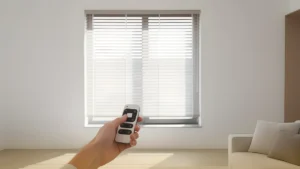
Modern solutions like electric and cordless blinds offer better convenience and durability, especially in commercial areas or for bigger windows.
3. Fading or Discoloration
Sunlight slowly decomposes substances. Blinds could grow brittle, yellow, or unevenly faded over time.
Common in:
- South-facing windows.
- Intense afternoon sunlit rooms.
- Areas susceptible to moisture.
Faded blinds can give a space a neglected or antiquated appearance. Their look may detract from the general appeal of your home, even if they still work.
Fading is a sign when deciding when to change your blinds. Selecting UV-resistant materials like fake wood or treated textiles will help avoid damage later on.
4. Outdated Style
Trends in interior design change. Blinds put in 10 to 15 years ago might not go well with contemporary design.
Outdated window coverings often include:
- Thick vertical blinds.
- Weighty valances.
- Outdated color pallets.
- Hardware and visible cords.
Modern blinds can greatly enhance a room’s look without requiring major remodeling. Motorized systems, layered zebra blinds, and sleek roller shades provide clean lines and modern appeal.
Modern window coverings enable remote operation and automatic lighting management, therefore assisting smart home integration.
5. Safety Issues
Particularly in households with animals and kids, safety is crucial. Older blinds with open cords pose strangulation risk.
Among other indicators:
- Frayed lifting cords
- Mounting brackets that are natural.
- Unstable headrails.
- Sharper or damaged slats.
Replacing conventional corded blinds with cordless or motorized alternatives increases convenience while also improving safety.
6. Reduced Energy Efficiency
By reducing heat flow via windows, blinds help to isolate. Warped or incorrectly fitting blinds deteriorate over time.
Reduced efficiency indicators include:
- Drafts close by windows.
- Rooms are burning too hot during the summer.
- Rising heating costs during the winter.
- Closed blinds cause extra brightness.
Your indoor comfort and utility bills should guide your decision on when to change your blinds. Energy-efficient blinds, including layered shades and faux-wood patterns, help keep indoor temperatures stable.
Properly adjusted blinds are a wise investment for Canadian environments, as they help reduce summer heat gain and winter heat loss.
7. Constant Mold or Dirt
Grease, humidity, and airborne particles reach kitchen, bathroom, and basement blinds. Over time, this can cause mold to grow or permanent staining.
Signs include:
- Stagnant smells.
- Black or green specks.
- Residues that stick.
- Moisture-warped slats.
Replacement is a good option to achieve the right hygiene and appearance. Moreover, mold growth can cause allergy and respiratory problems. False wood and PVC materials can benefit places with high humidity.
Practical Tips for Choosing New Blinds
More than appearance, selecting the right replacement is necessary. Moreover, the right design provides a guarantee of durability and long-term value.
1. Materials Selection
- Faux wood: Waterproof and sturdy.
- Aluminum: Modern and lightweight aluminum.
- Fabric: Soft aesthetic appeal with fabric shades.
- PVC: Good for kitchens and bathrooms is PVC.
2. Style and Function
Match your blinds with the goal of the room. While businesses need glare control and light filtering, blackout shades could enhance bedrooms.
Hard-to-reach windows benefit most from motorized systems’ convenience.
3. Performance of Energy
Look for insulation designs that aid temperature control. Layered hues or tightly installed blinds increase thermal effectiveness.
4. Budget and Customization
Custom blinds guarantee an exact fit, particularly for oddly formed or enormous windows. Although initial expenditures could be more, longevity and better performance often justify the expenditure.
Blinds Design Inc. offers custom solutions, tailored options, and commercial installations designed to suit Canadian homes and businesses. Visit our window blinds solutions page to explore the full range of styles and services.
When selecting new blinds, consider both long-term performance and aesthetic goals to ensure your investment is practical and visually appealing.
Final Thoughts
Blinds do much more than control light; they affect your home’s overall aesthetic, energy efficiency, and safety. The seven key signs discussed in this blog are the best indicators to consider when it’s time to replace your blinds.
Addressing these issues early improves comfort, prevents further costs, and keeps your space looking its best.
Contact Blinds Design Inc. today to find the perfect blinds for your home or business, combining quality, style, and long-lasting performance within your budget.
FAQs
How often should I change my blinds?
Depending on the material and the amount of sunshine or moisture exposure, most blinds endure 7–10 years. With appropriate care, premium or bespoke blinds could last longer.
May I mend worn-out blinds rather than replace them?
Little problems like loose brackets or minor cord issues are fixed. However, replacement is warranted when mechanical failure, significant damage, or fading occurs.
Are motorized blinds worth the cost?
Motorized blinds boost energy efficiency, safety, and convenience. Particularly suited for big windows or smart home integration.
Which materials for blinds fit Canadian conditions best?
In the diverse environment of Canada, layered shades, faux wood, and aluminum work well. They help insulate in winter and prevent deformation.
Do custom blinds improve home value?
Custom blinds enhance both energy efficiency and visual appeal. While they may not significantly raise your property’s market value, they improve buyer comfort and create a more favorable perception of your home.