The right restaurant window blinds can change more than just your windows. They influence energy costs, shape the atmosphere, and affect customer comfort. In the demanding restaurant industry, every detail matters, from lighting to layout.
Custom window blinds for restaurants are more than decorative elements. They control natural light, protect interiors from UV damage, enhance privacy, and reinforce your brand identity.
This blog helps restaurant owners and designers choose window treatments that blend style with functionality while ensuring long-term value.
Why Restaurant Window Blinds Are More Than Just Decoration
Building the Perfect Environment
Lighting sets the tone for dining. Gentle lighting works well for evening meals, while bright sunlight suits brunch. Adjustable blinds let you change the mood throughout the day without significant changes to your lighting system.
Better Privacy
Privacy is vital for street-facing restaurants. Diners typically value privacy, particularly during dinner hours. Blinds provide flexible screening without completely blocking natural light.
Enhancing Energy Efficiency
Commercial areas with large windows may face challenges with heat and brightness. Suitable window treatments assist in minimizing:
- Solar heat gain.
- Glare on screens and tables.
- Fading of furniture and floors from UV exposure.
Properly chosen blinds allow for better temperature control, lowering HVAC loads and reducing operational costs.
Understanding Your Restaurant’s Needs
Think Over The Ambiance
Your choice of blinds should reflect your target audience and the overall style of your restaurant:
- Fine dining establishments: Opt for textured finishes or sophisticated fabrics.
- Casual eateries: Choose easy-care, simple designs.
- Modern restaurants: Stick to neutral colors and clean lines.
Blinds should enhance your brand image, color scheme, and general interior decor.
Functional Requirements
Each restaurant runs on its own operational requirements.
Light Management
Layered blinds or adjustable slats allow precise control of lighting throughout lunch and dinner service.
Degrees of Privacy
More coverage is needed for street-level eateries than for upper-floor areas.
Durability
High-traffic settings call for strong materials that withstand wear, water, and oil contact. Durability counts as much as appearance when choosing restaurant window blinds.
Popular Types of Restaurant Window Blinds
The following are the well-known types of restaurant window blinds that blend style with performance.
Roller Blinds
- Minimal design.
- Simple to wash.
- Ideal for modern homes.
Ideal for casual dining spaces or quick-service restaurants, roller shades are simple to care for and require minimal upkeep.
Venetian Blinds
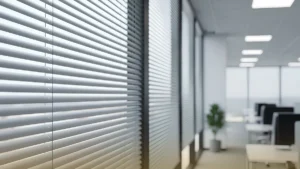
- Horizontal planks.
- Good for the adjustment of light.
- Timeless aesthetic.
They enable precise control of sunlight without entirely obstructing exterior views.
Roman Blinds
- Material-based.
- Delicate, graceful look.
- Provides textural warmth.
In fine dining settings where the atmosphere is crucial, Roman shades are quite useful.
Vertical Blinds
- Perfect for huge glass doors or windows.
- Simple to work with.
- Ideal for event venues.
Vertical patterns provide flexibility and coverage for big commercial windows.
Motorized Blinds
- Automated illumination management.
- Useful for spacious eating spaces.
- Improves contemporary appeal.
Motorized systems are increasingly used in hotel design.
Knowing these popular types of restaurant window blinds narrows your selections depending on design and plan.
Selecting the Appropriate Material
Material selection directly influences comfort, lifespan, and maintenance.
1. Fabric
Pros:
- Mutes acoustics.
- Extensive color palette.
- Warm and welcoming look.
Cons:
- Demand more cleaning.
- Might soak smells nearby in the kitchen.
2. Wood
Benefits:
- Natural and luxury design.
- Powerful visual impact.
Cons:
- Sensible for humidity.
- More expensive.
3. Aluminum
Pros:
- Durable and long-lasting.
- Resistant to moisture.
- Easy to maintain.
Cons:
- Industrial appearance.
4. Vinyl
Pros:
- Cost-effective.
- Simple to clean up.
- Resistant to humidity.
Cons:
- It may not offer a premium appearance.
Choosing the right materials impacts how well sound is absorbed, how often cleaning needs to be done, and the total durability. Materials that minimize noise and resist stains are particularly useful for restaurants with open cooking areas or high levels of customer activity.
Color, Patterns, and Branding
Blinds can subtly strengthen your brand identity and enhance the overall dining experience.
Neutral Tones
Timeless and adaptable backdrop colors like cream, charcoal, or gentle white complement changing design trends and offer a stable base.
Bright Hues
Vibrant blues, greens, or signature colors bring personality and visual appeal. These tones are particularly effective in restaurants that follow a specific theme or concept.
Personalized Branding
Some companies install custom blinds featuring subtle patterns or logos. This enhances brand recognition without overpowering the overall design.
Carefully chosen hues guarantee that your blinds match rather than fight the dining space.
Installation And Maintenance Tips
Professional Installation vs. DIY Installation
Commercial spaces benefit from professional blind installation service. Proper fitting and alignment ensure:
- Smooth operation.
- Better insulating ability.
- Crisp visual finish.
While it may reduce upfront costs, DIY installation might result in uneven placement or decreased durability.
Cleaning Routines
Different types of materials require specific care:
- Fabric blinds: Perform a thorough cleaning occasionally; vacuum on a weekly basis.
- Aluminum blinds: Wipe down with a mild detergent.
- Wood blinds: Use dry cloths to prevent damage from moisture.
Consistent cleaning upholds cleanliness and appearance, both of which are crucial in the hospitality sector.
Budgeting for Restaurant Window Blinds
Costs vary depending on the material, window size, and level of automation.
Suggested Price Ranges
- Low cost: Basic vinyl blinds
- Mid-range: Fabric or wooden blinds
- Expensive: Motorized blinds
When setting your budget, remember:
- Setup cost
- Maintenance cost
- Energy savings
Wrap Up
Selecting appropriate window blinds for a restaurant involves more than just looks; it also affects comfort, energy savings, privacy, and the establishment’s image. By choosing the correct design, fabric, and installation method, restaurant proprietors can establish a friendly atmosphere that enchants customers while enhancing operational effectiveness.
For custom solutions tailored to your restaurant’s design and functional needs, Blinds Design Inc. offers high-quality, durable commercial window blinds and professional installation services.
Explore our range today to enhance your dining space with blinds that combine style, performance, and long-lasting value.
People Also Ask
What is the best type of blinds for sunlight control in restaurants?
Venetian and motorized blinds provide great management of sunlight, assisting in minimizing glare and heat while still allowing natural light to enter.
Can blinds help with energy savings in commercial spaces?
Certainly, correctly installed blinds enhance insulation, reduce HVAC use, and lower energy costs by minimizing heat absorption through large windows.
How do I choose the right size and fit for my windows?
Accurate measurements are essential. Professional installation ensures full coverage, proper alignment, and optimal performance.
Are motorized blinds worth the investment for restaurants?
Motorized blinds are perfect for wide areas or rooms with several windows. They offer easy and accurate management of light, improving the entire dining atmosphere.
How often should restaurant window blinds be cleaned or replaced?
Weekly cleaning is recommended, with deep cleaning every few months. Replacement depends on material quality but generally ranges from 5 to 10 years.